
LDB Logistics Container Tracking & Movement Status

Enter your Tracking Number and click the button
LDB Logistics Container Tracking helps importers, exporters and logistics businesses monitor container movements through India’s ports and inland transportation network using RFID-supported shipment visibility. The Logistics Data Bank system is operated by NICDC Logistics Data Services (NLDS), a joint venture established in December 2015. Unlike conventional parcel tracking, this platform focuses on import and export containers moving through port terminals, inland container depots, freight stations and road or rail connections. Businesses can use ldb tracking to review available container movement records and understand where their cargo has been recorded. The system also supports logistics planning by providing route information and movement history. Enter your container number above to request available tracking details.
About Logistics Data Bank (LDB)
The Logistics Data Bank is a container visibility initiative operated by NICDC Logistics Data Services (NLDS). Established on 30 December 2015, the organization was formed as a joint venture between India’s National Industrial Corridor Development and Implementation Trust (NICDIT) and Japan’s NEC Corporation, with equal equity participation.
Its principal objective is to improve transparency and operational efficiency in India’s import and export logistics network through information and communication technology. The LDB system records container movements across connected ports and inland facilities. It uses RFID technology and operational information collected at different transportation checkpoints.
The service began at Jawaharlal Nehru Port Trust (JNPT) in July 2016. Expansion milestones included APSEZ in 2017, additional major ports in 2018 and Pipavav in 2020. Historical operational figures describe integration with 27 port terminals, 93 toll plazas, 37 special economic zones and more than 350 inland logistics facilities.
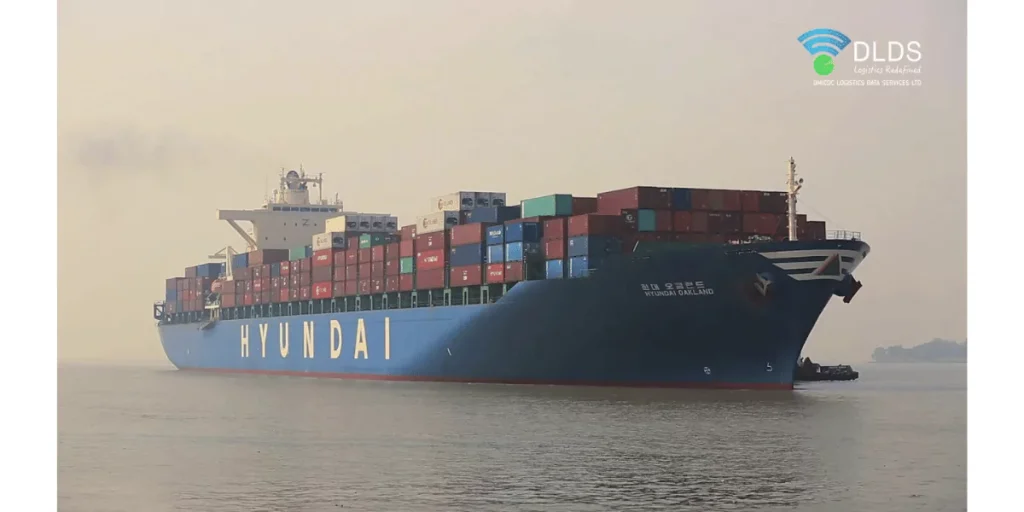
The system was also reported to have handled movement information for over 60 million containers. Through these connected locations, the logistics data bank supports businesses seeking visibility into container transportation rather than individual parcel deliveries.
How to Use LDB Logistics Container Tracking
Customers can search for container movement information using the identification number assigned to their shipping container.
- Locate your container number: Find the 11-character alphanumeric identifier on your shipping documents or container records.
- Enter the identifier: Type the complete container number into the tracking field above.
- Click Track: Submit the number to request available container movement information.
- Review the results: Check any displayed port activity, checkpoint records, transportation movements or location updates.
- Contact support: If the search does not return useful information, verify the identifier and contact NLDS for assistance.
Its described search procedure includes entering the container identifier and accepting the applicable terms before submitting the request. For businesses using nlds container tracking, the information can help identify movements between connected logistics facilities. Keep the container number available when discussing a missing record or movement update with the support team.
What Your Tracking Status Means
Company records container movements at connected transportation locations rather than following every individual parcel inside a container.
Its system collects operational information from ports, terminals, inland depots and RFID-equipped checkpoints. The available movement history depends on where the container has been recorded. The following descriptions explain common container logistics events. They are illustrative and are not presented as official status labels.
| Status | What It Means |
|---|---|
| Vessel Unloaded | The container has been discharged from the arriving vessel. |
| Gate In | The container has entered a recorded logistics facility. |
| At Terminal | The container is being handled within a port terminal. |
| Gate Out | The container has exited a recorded facility. |
| In Transit | The container is moving between logistics locations. |
| At Inland Depot | The container has been recorded at an inland handling location. |
| Empty Yard Arrival | The empty container has reached a storage location. |
| Export Movement | The container has entered an outbound shipping process. |
A container gate in status generally indicates entry into a recorded facility, while a gate-out event indicates departure. Their described route information and travel reports can provide additional context for recorded movements. Not every container will follow the same route or generate every listed event.
LDB Container Movement and Delivery Time
The Logistics Data Bank monitors container movement across transportation networks rather than providing a conventional courier delivery service. Import containers may be unloaded from vessels, transferred through port facilities and transported inland by truck or rail.
Export containers can move from inland locations toward port terminals, with RFID checkpoints recording relevant movements along connected routes. The system also records information associated with container freight stations, inland container depots and empty yards.
No universal transit duration is established for every container route within the company’s available information. Actual movement times depend on the transportation arrangements, handling locations and operational processes involved in a particular consignment.
Businesses reviewing container movement tracking information can compare recorded checkpoint events to understand the progress of a shipment. For delivery commitments or expected arrival dates, customers should refer to the transportation arrangements made with their logistics provider. Company supplies movement visibility rather than a guaranteed end-to-end delivery schedule.
Customer Care
Customers can contact company for assistance with container tracking enquiries, system information and coordination requests.
- Phone: +91 120 245 9753
- Email: [email protected]
- Office Address: Flat No. 302 C, 3rd Floor, World Trade Centre, Babar Road, New Delhi – 110001, India
- Official Tracking Website: https://www.ldb.co.in/
You Can Also Track VRL Tracking Logistics.
When requesting assistance, provide the container number and relevant movement details. Businesses seeking information about system coordination or integration can use the listed email address.
If a container appears to have reached its destination but the cargo has not been received, contact the responsible carrier or logistics operator to investigate delivery arrangements. Visit the official website for current contact details and support availability.
Frequently Asked Questions
Q: What is the purpose of LDB container tracking?
A: The Logistics Data Bank provides visibility into import and export container movements across connected logistics facilities in India. It collects operational and RFID-based information to help businesses review transportation progress and container movement history.
Q: What number is required to track a container through LDB?
A: The described search system uses an 11-character alphanumeric container identifier. Customers can obtain this number from their shipping documentation and enter it into the search portal.
Q: How does RFID technology support tracking?
A: RFID tags and readers help capture container movement information at connected checkpoints. These locations include port gates, inland depots, freight stations and toll plazas.
Q: Can LDB track containers transported by rail?
A: Yes. The system’s described operations include container movements involving both trucks and trains. Rail container tracking information depends on the movement records available from connected locations.
Q: Does LDB provide information about import containers?
A: Yes. The system supports import container tracking from port handling stages through connected inland logistics locations. Recorded events may include vessel unloading, terminal activity, port exits and inland movements.
Q: Can businesses view container routes and movement reports?
A: Their service description includes route visualization and travel reports. It also mentions Google Maps-based viewing of container movement routes.
Q: Does company operate as a shipping or courier company?
A: No. Company is a logistics information system focused on container visibility and movement records. The physical transportation of goods is carried out through the relevant shipping and logistics arrangements.
The company brings together RFID checkpoint records and operational information to improve visibility across India’s import and export container network. Operated by NLDS, the system helps businesses review port activity, inland movements and transportation history. Use LDB Logistics Container Tracking above to request available updates with your container identifier. For assistance, contact the listed NLDS support channels.